Ghana’s ability to retain skilled professionals will come under scrutiny as industry leaders gather at the Ghana Health & Labour Summit to examine how workplace conditions, wellbeing and career opportunities are driving the country’s talent retention crisis.
Ghana is facing a growing workforce paradox: while organisations across critical sectors need skilled professionals to drive productivity and growth, many workers are looking beyond the country for better pay, career progression and working conditions. The challenge extends beyond migration, raising wider questions about how workplaces can attract, develop and retain the talent they need to remain competitive.
Against this backdrop, MentaPulse Africa, in partnership with the University of Ghana Business School (UGBS), will host the second annual Ghana Health & Labour (GHL) Summit from 8–9 October 2026 at the University of Ghana, Accra.
Held under the theme “Work and Wellness: Fixing Ghana’s Talent Retention Crisis,” the summit will bring together leaders from government, business, health, labour, academia and the wider workforce to explore practical solutions to Ghana’s growing talent retention challenge.
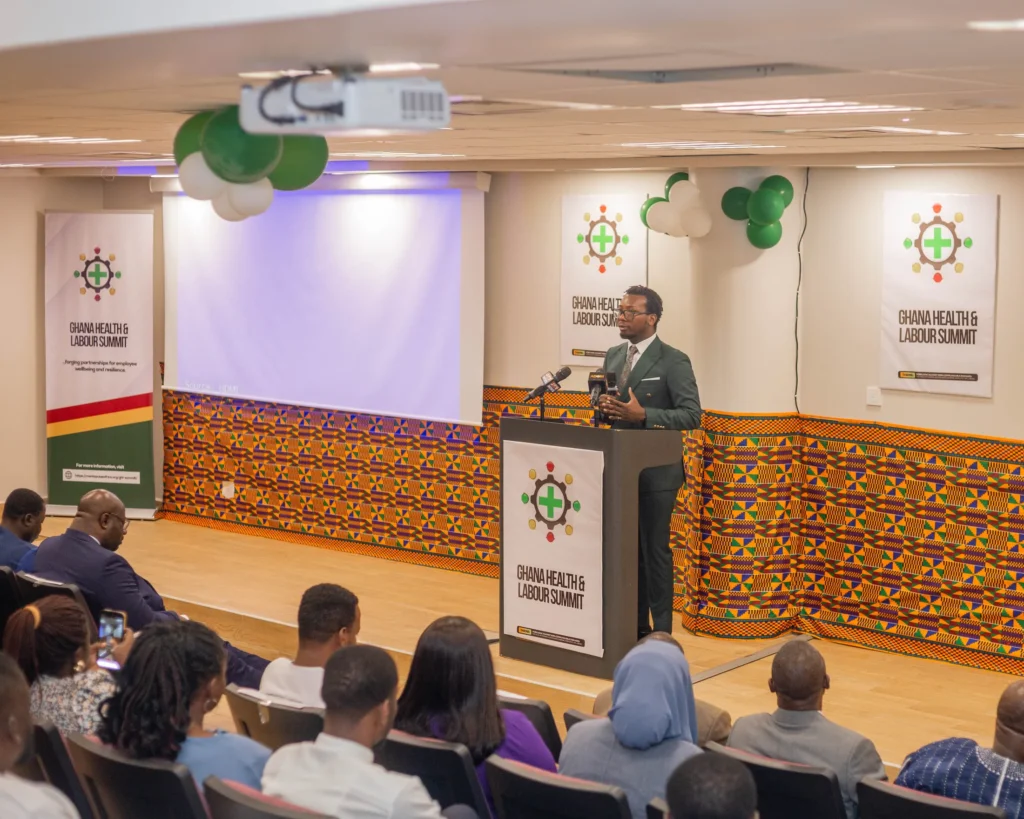
Executive Director of MentaPulse Africa and Summit Convenor, Manuel Koranteng, said: “Talent retention is too often treated as a recruitment or migration issue when, in reality, it is a workplace issue. People make decisions about whether to stay based on the entire experience of work – how they are led, how they are rewarded, whether they can grow, whether their wellbeing is protected and whether they can see a future for themselves. If we want to retain talent, we must improve that experience.
“This means employers and policymakers must look beyond simply asking why people leave and start asking what would make them stay. We need to build workplaces where talented people can see a future, develop their skills and thrive. GHL Summit 2026 is about bringing the right people together to move that conversation from diagnosis to practical action.”
Solely supplying skilled professionals will not solve workforce shortages unless it is matched with conditions that enable people to stay and thrive.
Head of Department of Organisation and Human Resource Management, at UGBS, Professor Damoah Obi Berko, said: “The talent retention challenge requires evidence-led conversations and solutions that are grounded in the realities of Ghana’s workplaces. Our partnership with GHL Summit reflects our commitment to bringing the rigour of academic research, evidence and professional expertise to this important national conversation. We look forward to contributing research and insights that can help translate the summit’s discussions into practical, sustainable approaches to building and retaining talent in Ghana.”

Board Chair of MentaPulse Africa, Prof. Collins Badu Agyemang, said: “Last year’s summit established an important foundation by bringing health, labour and workplace policy makers, think-tanks into the same conversation. This year, we are building on that foundation by confronting another critical dimension of the future of work – our ability to attract and develop the talent Ghana needs. The 2026 summit will underscore the need for business leaders and practitioners to move beyond retaining people at work to designing psychologically healthy, motivating and sustainable work systems.”
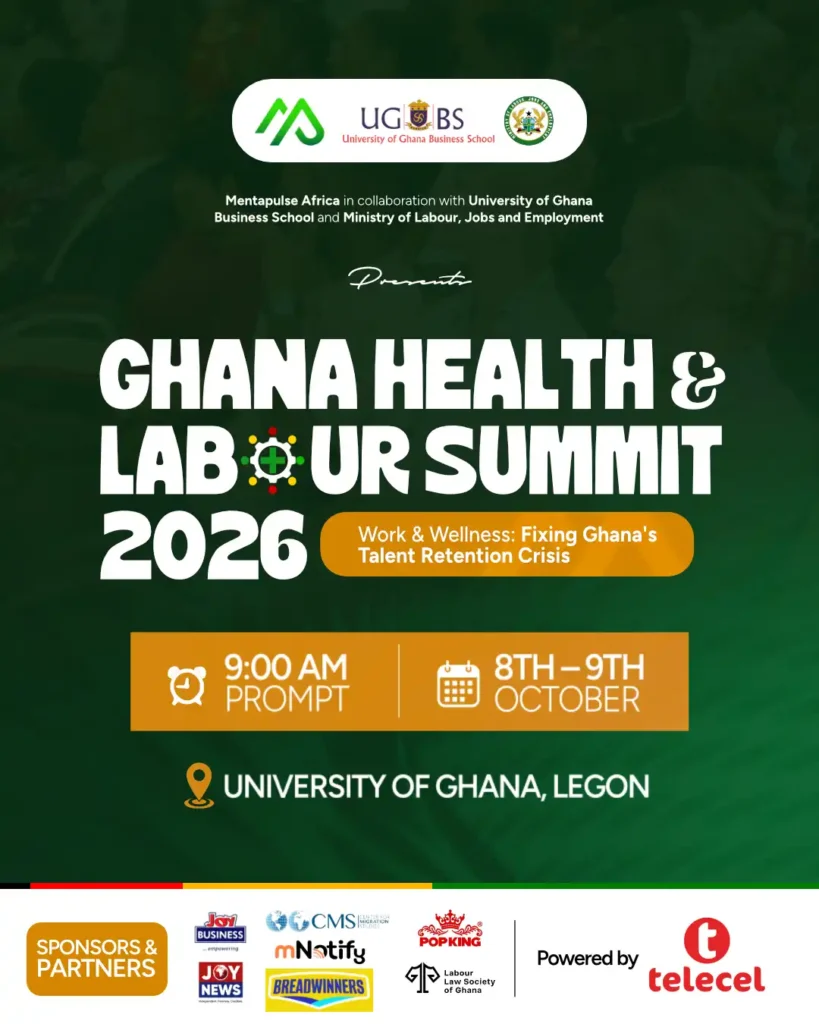
The two-day summit will feature keynote addresses, expert presentations, panel discussions, interactive workshops, a job fair, exhibitions, an awards ceremony and a dinner gala, providing opportunities for participants to share evidence, develop solutions and build partnerships.
Selected plenary sessions will also be available through hybrid livestreaming, extending the conversation to participants beyond the summit venue. Interested participants may register via the official GHL Summit page.
For more information please call +233 20 401 5534 or email [email protected]